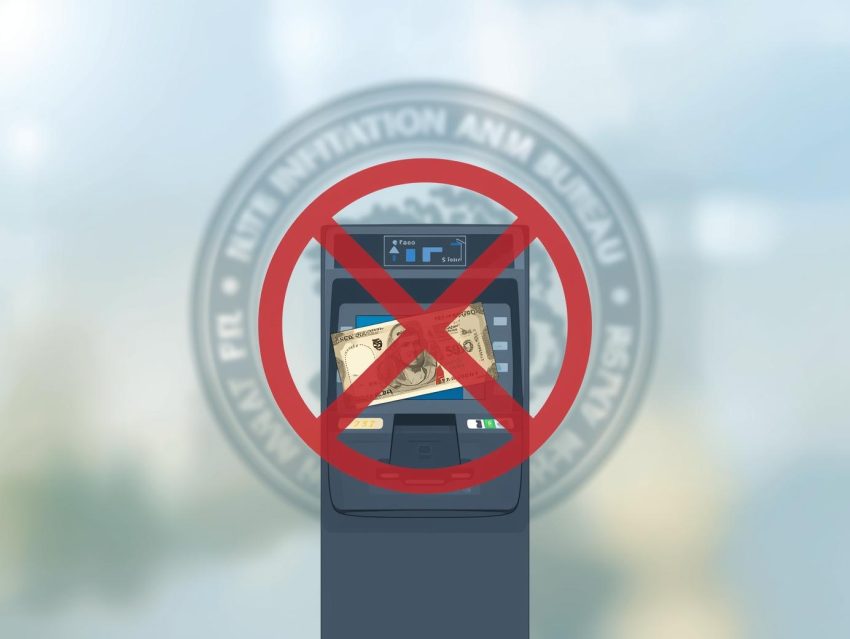
Rs 500 Notes Banned from ATMs?” The Truth behind the Viral Message and How RBI/PIB Fact-Check Safeguards Indian Banking
Social media in India, especially WhatsApp, has a well-earned reputation for circulating viral news—sometimes helpful, sometimes humorous, but occasionally dangerously misleading. In recent weeks, one such viral message set off panic across banking circles, claiming that the Reserve Bank of India (RBI) had ordered banks to stop dispensing Rs 500 denomination notes from ATMs after September 2025. The rumor spread like wildfire, raising anxiety among everyday customers and challenging confidence in India’s financial system.
So, what’s the real story? Is RBI withdrawing Rs 500 notes? Here’s the real fact—and why you must rely on official sources in today’s digital banking era.
The Viral WhatsApp Message: Anatomy of a Financial Rumor
The message circulated in various WhatsApp groups alleged that RBI’s supposed new directive would halt the distribution of Rs 500 currency notes from all ATMs by September-end. Such claims often mushroom rapidly, fueled by decades-old memories of demonetization and fears about unannounced policy changes by India’s monetary authorities.
The content of the viral post was direct: “All banks are instructed by RBI to stop giving Rs 500 notes through ATMs from 30 September 2025. Please withdraw your money quickly and exchange Rs 500 notes while possible.”
The PIB Fact-Check and RBI’s Official Denial
As panic set in, the Press Information Bureau (PIB) Fact Check Unit, responsible for debunking public misinformation about government and financial policy, stepped in quickly and efficiently. PIB issued a categorical statement: “No such instruction has been issued by the RBI.” They further clarified that Rs 500 notes will continue to be legal tender and that any such policy change would be announced formally and widely through official channels.
The RBI joined the PIB, reiterating via its website and statements that the currency remains fully valid, and that banks are under no such directive to withdraw the notes from ATMs. Customer service lines at major banks also received clarification bulletins, ensuring no one fell victim to fake, panic-inducing information.
Why Are Such Rumors So Dangerous?
Financial rumors can do more than just rattle nerves—they can cause actual harm:
-
Customer Panic: People worry about losing value or access to their own currency, leading to unnecessary rushes on ATMs and banking branches.
-
Banking System Strain: When many users act on viral misinformation, demand spikes, logistics are strained, and normal workflows are interrupted.
-
Loss of Trust: Confidence in digital banking services and RBI’s stewardship can be eroded by rumors—even if they’re false.
-
Scams and Fraud: Criminals exploit such moments to dupe customers—offering note exchange services, fake apps, or phishing attempts, claiming to facilitate rushed currency swaps.
How RBI and PIB Fact-Checking Protect the Public
The swift, public debunking of this Rs 500 note rumor underscores the value of institutional fact-checking in the financial sector:
-
Immediate Clarification: Using social media, PIB and RBI reach millions rapidly, countering viral untruths before real damage occurs.
-
Customer Education: Both institutions urge the public to use only authentic, official websites for currency, branch, and IFSC code information—not WhatsApp forwards.
-
Ongoing Vigilance: Similar fake reports have appeared in the past regarding demonetization; the central bank continues to commit to formal, transparent announcements of any major changes.
What Should Bank Customers Do?
If confronted with a viral financial message, always do the following:
-
Verify at the Source: Check RBI’s website or your bank’s official notifications. Ignore WhatsApp rumors.
-
Don’t Panic: Currency withdrawals or ATM operations remain unchanged unless your bank notifies you formally in writing.
-
Protect Personal Data: Avoid sharing banking details to strangers, regardless of urgency.
-
Report Misinformation: Notify your bank or RBI about potentially harmful rumors.
-
Stay Updated on IFSC Code and ATM Rules: Major announcements like IFSC code changes are made through official notifications, with customer-friendly transition periods.
The Role of IFSC Code in Banking Security
Amidst this flurry, IFSC codes are also pivotal as secure identifiers. Any legitimate bank branch update, merger, or name change impacts IFSC codes only after widespread customer notification, never by surprise. RBI and banks implement changes in a phased, well-informed manner, ensuring continuity of service.
Concluding Thoughts: Digital Literacy Is the Ultimate Defense
Banking in India is rapidly digitalizing. While innovative payment systems, branch mergers, and currency management make financial services faster and more inclusive, digital literacy—especially the ability to identify rumors and trust only official sources—is the strongest safeguard for every customer. The Rs 500 note ATM rumor is a classic case study in how myth can temporarily trump fact, but also how a responsive system can protect collective interests.
Get your IFSC codes, bank news, and financial updates from government and trusted banking sources—never WhatsApp forwards!